
Sunday, March 26, 2023

How Can I Get a Flat Stomach in 7 Days?

How Can I Get a Flat Stomach in 7 Days?


Achieving a flat stomach in just seven days is a challenging goal, as significant changes in body composition typically require consistent effort over a more extended period. However, there are steps you can take to reduce bloating, improve posture, and create the appearance of a flatter stomach in a short timeframe. Here are some strategies you can try:

  1. Reduce Sodium Intake: High sodium intake can lead to water retention and bloating, making your stomach appear larger. Limit your consumption of processed foods, fast food, and salty snacks, and opt for whole, unprocessed foods instead.

  2. Stay Hydrated: Drinking plenty of water can help flush out excess sodium and reduce bloating. Aim to drink at least 8-10 glasses of water per day, and avoid sugary drinks and excessive caffeine, which can contribute to bloating.

  3. Eat Smaller, More Frequent Meals: Consuming large meals can stretch your stomach and contribute to bloating. Instead, try eating smaller, more frequent meals throughout the day to keep your metabolism active and prevent overeating.

  4. Focus on Whole Foods: Incorporate plenty of fruits, vegetables, lean proteins, whole grains, and healthy fats into your diet. These foods are rich in fiber, vitamins, and minerals, which can support digestion and help reduce bloating.

  5. Limit Carbonated Drinks: Carbonated beverages, including sodas and sparkling water, can introduce gas into your digestive system, leading to bloating and discomfort. Opt for still water or herbal tea instead.

  6. Avoid Certain Foods: Some foods, such as beans, broccoli, cabbage, and onions, can cause gas and bloating in some individuals. Pay attention to how your body reacts to these foods and consider avoiding them if they exacerbate bloating.

  7. Engage in Regular Exercise: Incorporating cardiovascular exercise and strength training into your routine can help burn calories, reduce body fat, and improve muscle tone, including the muscles of the abdomen. Aim for at least 30 minutes of moderate-intensity exercise most days of the week.

  8. Practice Good Posture: Maintaining good posture can help flatten your stomach and improve the appearance of your midsection. Stand tall, pull your shoulders back, and engage your core muscles to support your spine.

  9. Get Plenty of Sleep: Adequate sleep is essential for overall health and can help regulate hormones that influence appetite and metabolism. Aim for 7-9 hours of quality sleep per night to support your weight loss efforts.

  10. Manage Stress: High stress levels can lead to increased cortisol production, which can contribute to weight gain and abdominal fat storage. Practice stress-reducing techniques such as meditation, deep breathing, yoga, or spending time in nature to promote relaxation and overall well-being.

While these strategies can help reduce bloating and improve the appearance of your stomach in the short term, achieving lasting changes in body composition and abdominal fat loss requires a consistent, long-term approach that includes healthy eating habits, regular exercise, and lifestyle modifications. Be patient with yourself and focus on making sustainable changes that support your overall health and well-being.


Saturday, March 11, 2023

What Strength Training Should Women Do?


What Strength Training Should Women Do? A Comprehensive Guide

Strength training is an essential component of a well-rounded fitness routine, offering numerous health benefits beyond just building muscle. For women, incorporating strength training can lead to improved muscle tone, increased metabolism, enhanced bone density, and better overall health. However, knowing where to start and what exercises to include can be daunting. This comprehensive guide will explore the best strength training exercises for women, the benefits, common myths, and tips for creating an effective strength training routine. This article is designed to rank high on Google by providing detailed, valuable information with a focus on SEO best practices.

Benefits of Strength Training for Women

1. Muscle Tone and Definition

Strength training helps in developing lean muscle mass, leading to a more toned and defined physique.

2. Increased Metabolism

Building muscle increases your resting metabolic rate, meaning you burn more calories even when at rest.

3. Enhanced Bone Density

Regular strength training can improve bone density, reducing the risk of osteoporosis and fractures.

4. Improved Functional Strength

Strength training enhances your ability to perform daily tasks with ease, improving overall quality of life.

5. Better Mental Health

Exercise, including strength training, releases endorphins, which can reduce stress, anxiety, and depression.

Common Myths About Strength Training for Women

Myth 1: "Strength Training Will Make You Bulky"

One of the most persistent myths is that lifting weights will cause women to become overly muscular. However, due to lower levels of testosterone, women typically do not gain muscle mass as quickly or as easily as men.

Myth 2: "Cardio is More Effective for Weight Loss"

While cardio is excellent for burning calories, strength training also plays a crucial role in weight loss by increasing muscle mass and metabolism.

Myth 3: "Women Should Only Lift Light Weights"

Women can and should lift weights that challenge them. Progressive overload (gradually increasing the weight you lift) is essential for muscle growth and strength gains.

Essential Strength Training Exercises for Women

1. Squats

Squats are a fundamental exercise that targets the quadriceps, hamstrings, glutes, and core.

How to Do It:

  • Stand with your feet shoulder-width apart.
  • Lower your body by bending your knees and pushing your hips back as if sitting in a chair.
  • Keep your back straight and chest up.
  • Return to the starting position by pushing through your heels.

2. Deadlifts

Deadlifts target the hamstrings, glutes, lower back, and core.

How to Do It:

  • Stand with your feet hip-width apart, holding a barbell or dumbbells in front of your thighs.
  • Bend at the hips and knees to lower the weights to the ground, keeping your back straight.
  • Stand back up by pushing through your heels and engaging your glutes.

3. Lunges

Lunges work the quads, hamstrings, glutes, and calves.

How to Do It:

  • Stand with your feet together.
  • Step forward with one leg and lower your body until both knees are bent at 90 degrees.
  • Push through the front heel to return to the starting position.
  • Repeat on the other leg.

4. Push-Ups

Push-ups target the chest, shoulders, triceps, and core.

How to Do It:

  • Start in a plank position with your hands slightly wider than shoulder-width apart.
  • Lower your body until your chest nearly touches the floor.
  • Push back up to the starting position.
What Strength Training Should Women Do?


5. Rows

Rows strengthen the upper back, shoulders, and biceps.

How to Do It:

  • Bend over at the waist with your knees slightly bent, holding dumbbells or a barbell.
  • Pull the weights towards your torso, squeezing your shoulder blades together.
  • Lower the weights back down with control.

6. Planks

Planks are excellent for core stability and strength.

How to Do It:

  • Start in a forearm plank position, with your elbows under your shoulders and body in a straight line.
  • Hold the position, keeping your core tight and avoiding any sagging or arching.

7. Shoulder Press

This exercise targets the shoulders, triceps, and upper chest.

How to Do It:

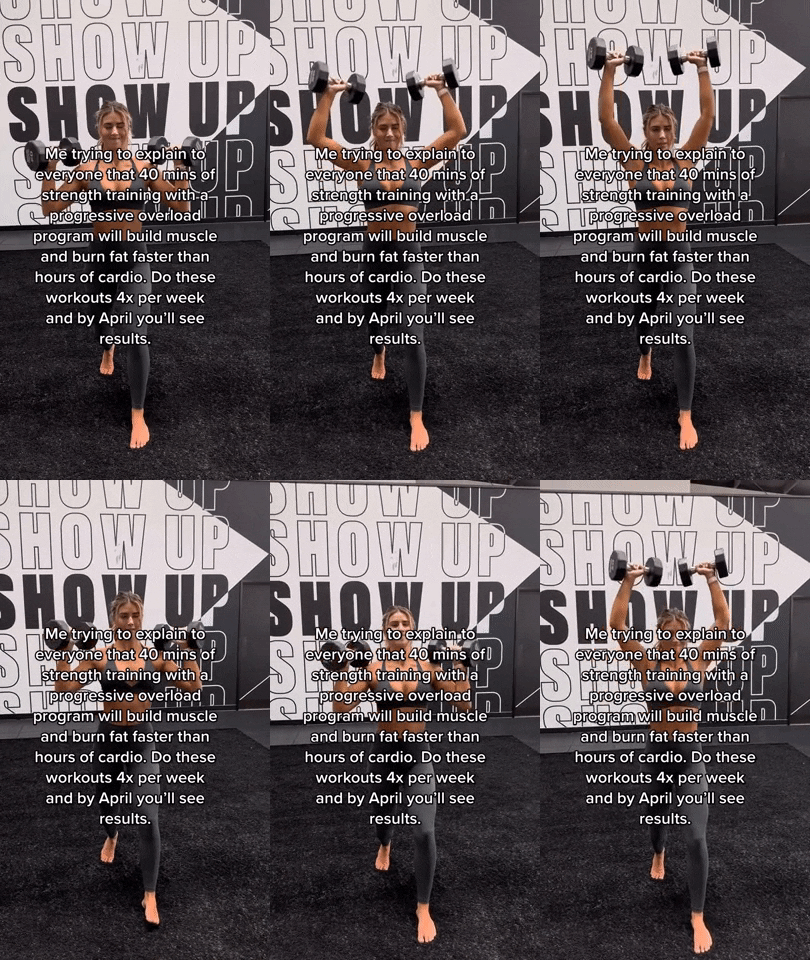
  • Stand with your feet shoulder-width apart, holding dumbbells at shoulder height.
  • Press the weights overhead until your arms are fully extended.
  • Lower the weights back to the starting position.

Tips for an Effective Strength Training Routine

1. Warm-Up Properly

Always start with a 5-10 minute warm-up to prepare your muscles and reduce the risk of injury. Dynamic stretches and light cardio are excellent warm-up activities.

2. Progressive Overload

Gradually increase the weight you lift to continue challenging your muscles and promoting growth.

3. Balance Your Routine

Ensure your routine includes exercises that target all major muscle groups to avoid imbalances and promote overall strength.

4. Proper Form

Focus on performing each exercise with correct form to maximize benefits and reduce the risk of injury. Consider working with a trainer if you're unsure about your form.

5. Rest and Recovery

Allow adequate rest between workouts for the same muscle group. Aim for at least 48 hours of recovery time.

6. Nutrition

Fuel your body with a balanced diet rich in protein, healthy fats, and complex carbohydrates to support muscle growth and recovery.

7. Stay Consistent

Consistency is key to seeing results. Aim to incorporate strength training into your routine at least 2-3 times per week.

Conclusion

Strength training is a crucial component of fitness for women, offering a wide range of benefits from improved muscle tone and metabolism to enhanced bone density and mental health. By debunking common myths, focusing on essential exercises, and following tips for an effective routine, women can build strength, boost confidence, and improve overall health. Start incorporating strength training into your fitness regimen today to enjoy these benefits and achieve your fitness goals.


Wednesday, February 22, 2023

Where is it Hardest to Lose Fat? #exercise #beforeandafter


Where is it Hardest to Lose Fat?

Losing fat can be a challenging process, and certain areas of the body often prove more stubborn than others. Understanding these areas and the factors that contribute to fat retention can help in developing a more effective fat loss strategy. This article explores the hardest areas to lose fat, the reasons behind it, and tips to tackle stubborn fat effectively.

The Hardest Areas to Lose Fat

  1. Abdomen (Belly Fat)

    • Why It's Stubborn: The abdomen is one of the most common areas where people struggle to lose fat. This is largely due to the presence of both subcutaneous fat (under the skin) and visceral fat (around the organs). Visceral fat is particularly resistant to diet and exercise.
    • Hormonal Influence: Cortisol, the stress hormone, can contribute to increased abdominal fat. Additionally, insulin resistance can lead to fat storage in the belly.
  2. Thighs

    • Why It's Stubborn: Fat in the thighs, especially in women, is often stored as subcutaneous fat. This type of fat is more resistant to diet and exercise compared to visceral fat.
    • Hormonal Influence: Estrogen promotes fat storage in the lower body, which can make thigh fat particularly stubborn for women.
  3. Hips and Buttocks

    • Why It's Stubborn: Like the thighs, the hips and buttocks are common fat storage areas for women due to hormonal influences.
    • Hormonal Influence: Estrogen and progesterone play significant roles in fat distribution in these areas, making it difficult to lose fat from the hips and buttocks.
  4. Lower Back

    • Why It's Stubborn: Lower back fat is often linked to overall body fat percentage. High levels of body fat can make it difficult to target this area specifically.
    • Hormonal Influence: Insulin resistance and high cortisol levels can contribute to fat accumulation in the lower back.
  5. Upper Arms

    • Why It's Stubborn: The upper arms, particularly the triceps area, can store fat that is resistant to traditional diet and exercise.
    • Hormonal Influence: Age-related hormonal changes, such as decreased testosterone levels in both men and women, can lead to increased fat storage in the upper arms.

Factors Contributing to Stubborn Fat

  1. Genetics

    • Genetics play a significant role in determining where your body stores fat and how easily you can lose it. Some people are genetically predisposed to store fat in certain areas, making it more challenging to lose fat from those regions.
  2. Hormones

    • Hormonal imbalances, including those involving cortisol, insulin, estrogen, and testosterone, can affect fat distribution and retention. Managing stress, maintaining a balanced diet, and getting adequate sleep can help regulate hormone levels.
  3. Age

    • As you age, your metabolism slows down, and hormonal changes occur. This can make it harder to lose fat, especially in areas where fat tends to accumulate.
  4. Lifestyle Factors

    • Diet, physical activity, sleep patterns, and stress levels all influence fat loss. A sedentary lifestyle, poor diet, and chronic stress can contribute to stubborn fat.

Tips to Tackle Stubborn Fat

  1. Healthy Diet

    • Focus on a balanced diet rich in whole foods, lean proteins, healthy fats, and complex carbohydrates. Reducing sugar and processed food intake can help manage insulin levels and promote fat loss.
  2. Regular Exercise

    • Combine cardiovascular exercise with strength training to maximize fat loss. High-Intensity Interval Training (HIIT) is particularly effective for burning fat and improving overall fitness.
  3. Strength Training

    • Building muscle through strength training can increase your metabolism and help you burn more calories at rest. Target all major muscle groups to promote overall fat loss.
  4. Manage Stress

    • Chronic stress leads to elevated cortisol levels, which can contribute to fat storage, particularly in the abdomen. Incorporate stress-reducing activities such as yoga, meditation, and deep breathing exercises into your routine.
  5. Get Enough Sleep

    • Aim for 7-9 hours of quality sleep per night. Poor sleep can disrupt hormones that regulate hunger and fat storage, making it harder to lose fat.
  6. Stay Hydrated

    • Drinking plenty of water can help with fat loss by promoting satiety and supporting metabolic processes.
  7. Consistency is Key

    • Fat loss takes time and consistency. Stick to your diet and exercise plan, and be patient with your progress. Spot reduction is not possible, but overall fat loss will eventually lead to reductions in stubborn areas.

Conclusion

Losing fat from stubborn areas like the abdomen, thighs, hips, lower back, and upper arms can be challenging due to genetic, hormonal, and lifestyle factors. However, with a balanced approach that includes a healthy diet, regular exercise, stress management, adequate sleep, and consistency, you can effectively target and reduce stubborn fat. Understanding the underlying reasons behind fat retention in these areas can help you develop a more strategic and successful fat loss plan.


Sunday, February 12, 2023

How Can I get a Flat Stomach? #abworkout #flatbelly #core


How Can I Get a Flat Stomach?

Achieving a flat stomach involves a combination of regular exercise, a balanced diet, and healthy lifestyle choices. Here’s a comprehensive guide to help you get started on your journey to a flatter stomach.

1. Exercise Regularly

Cardio Workouts

Cardiovascular exercises help burn calories and reduce overall body fat, which is essential for revealing your abs. Aim for at least 150 minutes of moderate-intensity cardio per week.

  • Examples: Running, cycling, swimming, brisk walking, and jumping rope.

Strength Training

Building muscle increases your metabolism, helping you burn more calories even at rest. Incorporate full-body strength training routines 2-3 times per week.

  • Examples: Weight lifting, resistance band exercises, and bodyweight exercises like squats and push-ups.

Core Exercises

Strengthening your core muscles can help tone your abdomen. Include specific core exercises in your routine 3-4 times per week.

  • Examples: Planks, Russian twists, bicycle crunches, and leg raises.

2. Maintain a Balanced Diet

Eat Whole Foods

Focus on consuming whole, unprocessed foods rich in nutrients. These include:

  • Fruits and Vegetables: High in fiber and low in calories.
  • Lean Proteins: Chicken, fish, tofu, and legumes help build muscle.
  • Whole Grains: Brown rice, quinoa, and oats provide sustained energy.
  • Healthy Fats: Avocados, nuts, seeds, and olive oil support overall health.

Avoid Processed Foods

Limit your intake of processed foods high in added sugars, unhealthy fats, and refined carbs, which can contribute to weight gain and bloating.

Stay Hydrated

Drinking plenty of water aids digestion and can help reduce bloating. Aim for at least 8 cups of water per day.

3. Adopt Healthy Lifestyle Habits

Get Enough Sleep

Aim for 7-9 hours of quality sleep each night. Lack of sleep can lead to weight gain and increased appetite.

Manage Stress

Chronic stress can lead to weight gain, particularly around the abdomen. Incorporate stress-reducing activities into your daily routine.

  • Examples: Yoga, meditation, deep breathing exercises, and hobbies.

Limit Alcohol Consumption

Alcoholic beverages are high in empty calories and can contribute to weight gain, especially around the midsection. Limit your intake to occasional drinks.

How Can I get a Flat Stomach


4. Monitor Your Progress

Track Your Food Intake

Keeping a food journal or using a nutrition app can help you stay mindful of what you eat and make healthier choices.

Measure Your Waistline

Regularly measuring your waist can help you track your progress and stay motivated. Aim for a waist circumference of less than 35 inches for women and 40 inches for men.

Set Realistic Goals

Set achievable short-term and long-term goals for your fitness journey. Celebrate your progress, no matter how small, to stay motivated.

Conclusion

Getting a flat stomach requires a combination of consistent exercise, a balanced diet, and healthy lifestyle habits. By incorporating these strategies into your daily routine, you can achieve your fitness goals and enjoy a healthier, more active life.

Ready to start your journey to a flatter stomach? Incorporate these tips into your daily routine and share your progress with us on social media using #FlatStomachJourney. 


Sunday, January 29, 2023

How Can I Get My Stomach Flat Fast?


Achieving a flat stomach requires a combination of healthy lifestyle choices, including a balanced diet, regular exercise, and other habits that promote overall well-being. Keep in mind that there's no quick fix for flattening your stomach, and sustainable results come from consistent efforts over time. Here are some tips to help you work towards a flat stomach:

1. Healthy Eating:

  • Balanced Diet: Consume a well-balanced diet that includes a variety of whole foods, such as fruits, vegetables, lean proteins, whole grains, and healthy fats.
  • Portion Control: Be mindful of portion sizes to avoid overeating, and listen to your body's hunger and fullness cues.
  • Hydration: Drink plenty of water throughout the day to stay hydrated and support overall health.

2. Regular Exercise:

  • Cardiovascular Exercise: Engage in regular cardio exercises such as brisk walking, running, cycling, or swimming to burn calories and promote overall fat loss.
  • Strength Training: Include strength training exercises to build muscle, which can contribute to a toned appearance. Focus on exercises that target the core, such as planks, crunches, and leg raises.

3. Core Strengthening:

  • Abdominal Exercises: Incorporate targeted abdominal exercises to strengthen and tone the muscles in your core. Examples include Russian twists, bicycle crunches, and mountain climbers.
  • Pilates and Yoga: These exercises can improve core strength, flexibility, and posture.

4. Healthy Lifestyle Habits:

  • Adequate Sleep: Ensure you get enough quality sleep each night, as insufficient sleep can affect metabolism and contribute to weight gain.
  • Stress Management: Practice stress-reducing activities such as meditation, deep breathing, or yoga, as stress can contribute to abdominal fat accumulation.

5. Avoid Processed Foods:

  • Limit Processed Foods: Minimize the intake of processed foods, sugary snacks, and beverages, as they can contribute to weight gain and bloating.

6. Posture Awareness:

  • Maintain Good Posture: Stand and sit with good posture to engage your core muscles and create the appearance of a flatter stomach.

7. Consistency is Key:

  • Stay Consistent: Results take time, so stay consistent with your healthy eating and exercise habits. Set realistic goals and be patient with the process.

8. Consult with Professionals:

  • Nutritionist or Trainer: Consider seeking guidance from a nutritionist or personal trainer for personalized advice and a customized workout plan.

9. Medical Consultation:

  • Underlying Issues: If you have concerns about abdominal bloating or persistent issues, consult with a healthcare professional to rule out any underlying medical conditions.

10. Avoid Quick Fixes:

  • Be Wary of Quick Solutions: Avoid fad diets, extreme calorie restriction, or supplements promising rapid results, as they may not be sustainable or healthy in the long term.

Remember that everyone's body is unique, and what works for one person may not work for another. Focus on creating a sustainable and balanced lifestyle that supports your overall health and well-being. If you have specific health concerns or goals, it's advisable to consult with healthcare professionals or fitness experts for personalized guidance.


Sleep Disorder: Trouble Sleeping Through the Night?

  Trouble Sleeping Through the Night? Causes and Solutions for Restful Sleep Waking up frequently during the night or struggling to stay asl...