Tuesday, April 11, 2023

Can You Drink Protein Shakes without Working Out?


Can You Drink Protein Shakes without Working Out? 


Yes, you can drink protein shakes without working out, but it's important to consider your overall dietary needs and goals. Protein shakes are a convenient way to increase your protein intake, which can be beneficial for various reasons, including muscle repair and growth, satiety, and overall nutrition.

Here are some situations where drinking protein shakes without working out might be appropriate:

  1. Dietary Protein Intake: If you struggle to meet your daily protein requirements through whole foods alone, adding a protein shake can help you reach your protein goals. Protein is essential for supporting muscle health, immune function, and hormone production, among other physiological processes.

  2. Meal Replacement: Protein shakes can serve as convenient meal replacements when you're short on time or need a quick and portable option. They provide a balanced source of protein, carbohydrates, and fats, along with essential vitamins and minerals, making them a suitable choice for busy individuals or those on the go.

  3. Weight Management: Protein shakes can help support weight management goals by promoting feelings of fullness and reducing overall calorie intake. Consuming a protein shake as a snack or part of a meal can help curb hunger and prevent overeating, which may contribute to weight loss or weight maintenance.

  4. Muscle Recovery: While protein shakes are commonly associated with post-workout recovery, they can also support muscle repair and recovery in non-exercisers. If you engage in physical activities or lead an active lifestyle (such as manual labor or recreational sports), consuming protein shakes can help support muscle health and recovery.

However, it's essential to consider the overall balance of your diet and lifestyle when incorporating protein shakes. Protein supplements should complement a well-rounded diet that includes a variety of nutrient-dense foods, such as lean meats, poultry, fish, eggs, dairy products, legumes, nuts, seeds, fruits, and vegetables.

Additionally, be mindful of your total calorie intake and adjust your protein shake consumption accordingly to avoid excessive calorie intake, which could lead to weight gain over time. If you have specific dietary goals or health concerns, consider consulting with a registered dietitian or healthcare professional for personalized guidance and recommendations.


Thursday, April 6, 2023

Core Workout: What are 3 Exercises That Will Strengthen Your Core? #shorts flatstomach #y...


Three effective exercises to strengthen your core are:

  1. Plank:

    • Start in a push-up position with your hands directly under your shoulders and your body in a straight line from head to heels.
    • Engage your core muscles and hold this position, ensuring that your hips don't sag or lift too high.
    • Aim to hold the plank for 30 seconds to 1 minute, gradually increasing the duration as you get stronger.

  2. Russian Twists:

    • Sit on the floor with your knees bent and your feet flat on the ground.
    • Lean back slightly and lift your feet off the ground, balancing on your sit bones.
    • Clasp your hands together in front of you or hold a weight or medicine ball.
    • Rotate your torso to one side, bringing the weight or your hands towards the floor beside your hip.
    • Return to the center and then twist to the other side, repeating the movement.
    • Aim for 10-15 reps on each side, gradually increasing as you build strength.

  3. Bicycle Crunches:

    • Lie on your back with your hands behind your head and your legs lifted, knees bent at a 90-degree angle.
    • Engage your core and lift your shoulder blades off the ground.
    • Bring your right elbow towards your left knee while straightening your right leg, simultaneously twisting your torso.
    • Return to the starting position and then switch sides, bringing your left elbow towards your right knee.
    • Continue alternating sides in a pedaling motion, focusing on controlled movements and engaging your core throughout.
    • Aim for 10-15 reps on each side.

Incorporate these exercises into your regular workout routine to strengthen your core muscles, improve stability, and support overall body strength and function. As with any exercise program, it's essential to maintain proper form, start with manageable repetitions and progress gradually to avoid injury and achieve optimal results.


30 Day Flat Stomach Challenge / 30 Day Flat Tummy Challenge / Ab Workout / At Home Fitness / Best Abs Workout at Home / Core Exercises / Flat Stomach / Flat Stomach Diet Plan / Flat Tummy Diet Plan / Flat Tummy Workout / HIIT Workout / How Can I Get a Flat Stomach? / How To Get a Flat Stomach Exercises? / How To Get a Flat Stomach in a Day / How To Get a Flat Stomach in a Week? / How To get a Flat stomach Without Losing Weight? / How To Get a Flat Tummy Fast Naturally? / How to Get a Flat Tummy in 2 Days / How To Get Abs Women?

Sunday, March 26, 2023

How Can I Get a Flat Stomach in 7 Days?

How Can I Get a Flat Stomach in 7 Days?


Achieving a flat stomach in just seven days is a challenging goal, as significant changes in body composition typically require consistent effort over a more extended period. However, there are steps you can take to reduce bloating, improve posture, and create the appearance of a flatter stomach in a short timeframe. Here are some strategies you can try:

  1. Reduce Sodium Intake: High sodium intake can lead to water retention and bloating, making your stomach appear larger. Limit your consumption of processed foods, fast food, and salty snacks, and opt for whole, unprocessed foods instead.

  2. Stay Hydrated: Drinking plenty of water can help flush out excess sodium and reduce bloating. Aim to drink at least 8-10 glasses of water per day, and avoid sugary drinks and excessive caffeine, which can contribute to bloating.

  3. Eat Smaller, More Frequent Meals: Consuming large meals can stretch your stomach and contribute to bloating. Instead, try eating smaller, more frequent meals throughout the day to keep your metabolism active and prevent overeating.

  4. Focus on Whole Foods: Incorporate plenty of fruits, vegetables, lean proteins, whole grains, and healthy fats into your diet. These foods are rich in fiber, vitamins, and minerals, which can support digestion and help reduce bloating.

  5. Limit Carbonated Drinks: Carbonated beverages, including sodas and sparkling water, can introduce gas into your digestive system, leading to bloating and discomfort. Opt for still water or herbal tea instead.

  6. Avoid Certain Foods: Some foods, such as beans, broccoli, cabbage, and onions, can cause gas and bloating in some individuals. Pay attention to how your body reacts to these foods and consider avoiding them if they exacerbate bloating.

  7. Engage in Regular Exercise: Incorporating cardiovascular exercise and strength training into your routine can help burn calories, reduce body fat, and improve muscle tone, including the muscles of the abdomen. Aim for at least 30 minutes of moderate-intensity exercise most days of the week.

  8. Practice Good Posture: Maintaining good posture can help flatten your stomach and improve the appearance of your midsection. Stand tall, pull your shoulders back, and engage your core muscles to support your spine.

  9. Get Plenty of Sleep: Adequate sleep is essential for overall health and can help regulate hormones that influence appetite and metabolism. Aim for 7-9 hours of quality sleep per night to support your weight loss efforts.

  10. Manage Stress: High stress levels can lead to increased cortisol production, which can contribute to weight gain and abdominal fat storage. Practice stress-reducing techniques such as meditation, deep breathing, yoga, or spending time in nature to promote relaxation and overall well-being.

While these strategies can help reduce bloating and improve the appearance of your stomach in the short term, achieving lasting changes in body composition and abdominal fat loss requires a consistent, long-term approach that includes healthy eating habits, regular exercise, and lifestyle modifications. Be patient with yourself and focus on making sustainable changes that support your overall health and well-being.


Saturday, March 11, 2023

What Strength Training Should Women Do?


What Strength Training Should Women Do? A Comprehensive Guide

Strength training is an essential component of a well-rounded fitness routine, offering numerous health benefits beyond just building muscle. For women, incorporating strength training can lead to improved muscle tone, increased metabolism, enhanced bone density, and better overall health. However, knowing where to start and what exercises to include can be daunting. This comprehensive guide will explore the best strength training exercises for women, the benefits, common myths, and tips for creating an effective strength training routine. This article is designed to rank high on Google by providing detailed, valuable information with a focus on SEO best practices.

Benefits of Strength Training for Women

1. Muscle Tone and Definition

Strength training helps in developing lean muscle mass, leading to a more toned and defined physique.

2. Increased Metabolism

Building muscle increases your resting metabolic rate, meaning you burn more calories even when at rest.

3. Enhanced Bone Density

Regular strength training can improve bone density, reducing the risk of osteoporosis and fractures.

4. Improved Functional Strength

Strength training enhances your ability to perform daily tasks with ease, improving overall quality of life.

5. Better Mental Health

Exercise, including strength training, releases endorphins, which can reduce stress, anxiety, and depression.

Common Myths About Strength Training for Women

Myth 1: "Strength Training Will Make You Bulky"

One of the most persistent myths is that lifting weights will cause women to become overly muscular. However, due to lower levels of testosterone, women typically do not gain muscle mass as quickly or as easily as men.

Myth 2: "Cardio is More Effective for Weight Loss"

While cardio is excellent for burning calories, strength training also plays a crucial role in weight loss by increasing muscle mass and metabolism.

Myth 3: "Women Should Only Lift Light Weights"

Women can and should lift weights that challenge them. Progressive overload (gradually increasing the weight you lift) is essential for muscle growth and strength gains.

Essential Strength Training Exercises for Women

1. Squats

Squats are a fundamental exercise that targets the quadriceps, hamstrings, glutes, and core.

How to Do It:

  • Stand with your feet shoulder-width apart.
  • Lower your body by bending your knees and pushing your hips back as if sitting in a chair.
  • Keep your back straight and chest up.
  • Return to the starting position by pushing through your heels.

2. Deadlifts

Deadlifts target the hamstrings, glutes, lower back, and core.

How to Do It:

  • Stand with your feet hip-width apart, holding a barbell or dumbbells in front of your thighs.
  • Bend at the hips and knees to lower the weights to the ground, keeping your back straight.
  • Stand back up by pushing through your heels and engaging your glutes.

3. Lunges

Lunges work the quads, hamstrings, glutes, and calves.

How to Do It:

  • Stand with your feet together.
  • Step forward with one leg and lower your body until both knees are bent at 90 degrees.
  • Push through the front heel to return to the starting position.
  • Repeat on the other leg.

4. Push-Ups

Push-ups target the chest, shoulders, triceps, and core.

How to Do It:

  • Start in a plank position with your hands slightly wider than shoulder-width apart.
  • Lower your body until your chest nearly touches the floor.
  • Push back up to the starting position.
What Strength Training Should Women Do?


5. Rows

Rows strengthen the upper back, shoulders, and biceps.

How to Do It:

  • Bend over at the waist with your knees slightly bent, holding dumbbells or a barbell.
  • Pull the weights towards your torso, squeezing your shoulder blades together.
  • Lower the weights back down with control.

6. Planks

Planks are excellent for core stability and strength.

How to Do It:

  • Start in a forearm plank position, with your elbows under your shoulders and body in a straight line.
  • Hold the position, keeping your core tight and avoiding any sagging or arching.

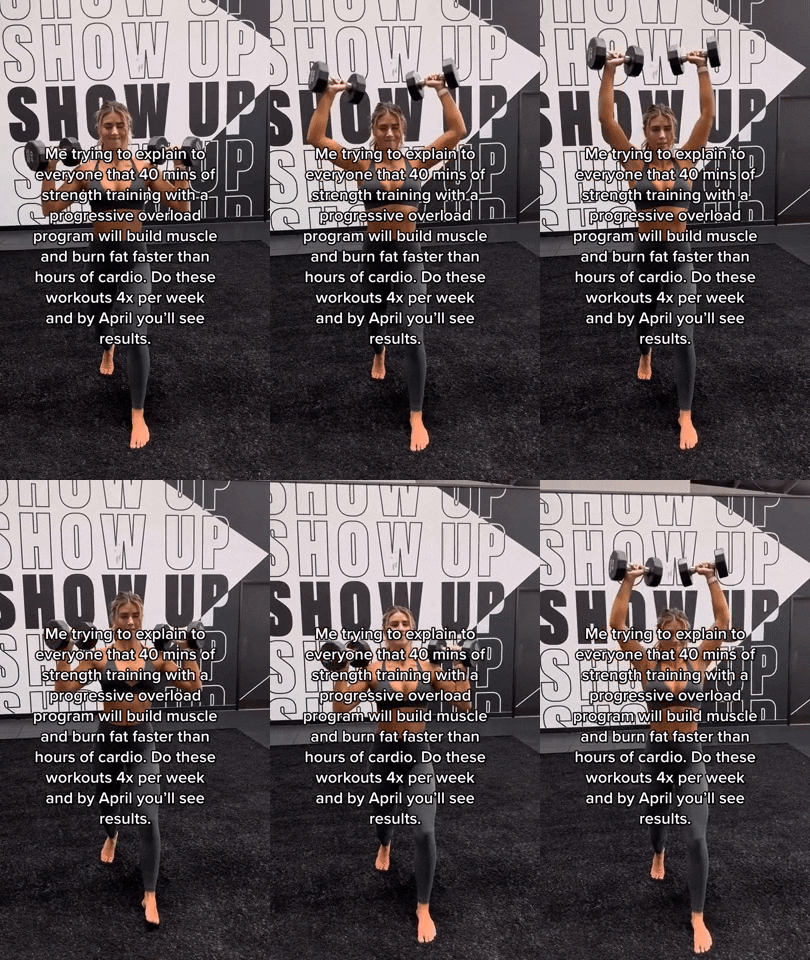
7. Shoulder Press

This exercise targets the shoulders, triceps, and upper chest.

How to Do It:

  • Stand with your feet shoulder-width apart, holding dumbbells at shoulder height.
  • Press the weights overhead until your arms are fully extended.
  • Lower the weights back to the starting position.

Tips for an Effective Strength Training Routine

1. Warm-Up Properly

Always start with a 5-10 minute warm-up to prepare your muscles and reduce the risk of injury. Dynamic stretches and light cardio are excellent warm-up activities.

2. Progressive Overload

Gradually increase the weight you lift to continue challenging your muscles and promoting growth.

3. Balance Your Routine

Ensure your routine includes exercises that target all major muscle groups to avoid imbalances and promote overall strength.

4. Proper Form

Focus on performing each exercise with correct form to maximize benefits and reduce the risk of injury. Consider working with a trainer if you're unsure about your form.

5. Rest and Recovery

Allow adequate rest between workouts for the same muscle group. Aim for at least 48 hours of recovery time.

6. Nutrition

Fuel your body with a balanced diet rich in protein, healthy fats, and complex carbohydrates to support muscle growth and recovery.

7. Stay Consistent

Consistency is key to seeing results. Aim to incorporate strength training into your routine at least 2-3 times per week.

Conclusion

Strength training is a crucial component of fitness for women, offering a wide range of benefits from improved muscle tone and metabolism to enhanced bone density and mental health. By debunking common myths, focusing on essential exercises, and following tips for an effective routine, women can build strength, boost confidence, and improve overall health. Start incorporating strength training into your fitness regimen today to enjoy these benefits and achieve your fitness goals.






Sleep Disorder: Trouble Sleeping Through the Night?

  Trouble Sleeping Through the Night? Causes and Solutions for Restful Sleep Waking up frequently during the night or struggling to stay asl...